
The project is led by

On 16 and 17 October, the Tae’thir project will showcase six original works by young Mediterranean artists at the annual Instants Vidéo Festival held in Marseille, France, marking the first public showcase of its program participants.
Tae’thir (‘influence’ in Arabic) promotes a culture of human rights across the Mediterranean through innovative digital and artistic practices. The program supports young artists and creators working in visual, audio, written, and performance arts, across traditional and digital platforms. The program is led by Réseau Euromed France, the Cairo Institute for Human Rights Studies, Les Instants Vidéo Numériques et Poétiques, and the Ligue de l’Enseignement des Bouches-du-Rhône.
The first cycle of Tae’thir brought together twenty participants from ten Mediterranean countries. Six of them will now present their projects at the Instants Vidéo festival, underscoring the intersection of artistic creation and human rights. The remaining works will be showcased at festivals in 2026.
The six projects presented at the Instants Vidéo Festival traverse five countries and explore themes of identity, memory, love, exile, and resilience. Urgent questions about self-determination and human rights are raised by Bassem Ben Brahim in his short documentary, Of Male and Female, about a young girl Salma who discovers she was born intersex, with the film shedding light on the trauma faced by sexual and gender minorities in Tunisia.
From Egypt, there are two artistic endeavors. Omnia Abu El Nour’s poetic meditation on displacement and belonging, Spinning Grounds follows the journey of a Nubian-Alexandrian woman navigating two cities in flux as coastlines vanish, communities are uprooted, and identities shift: what has been lost and what remains? Meanwhile, situated within the quotidian spaces of Egyptian life, Youhanna Nagi challenges and deconstructs traditional concepts of masculinity in A Ciphered Blade as she ponders the spatial and social dynamics embedded in Egypt’s barber shops.

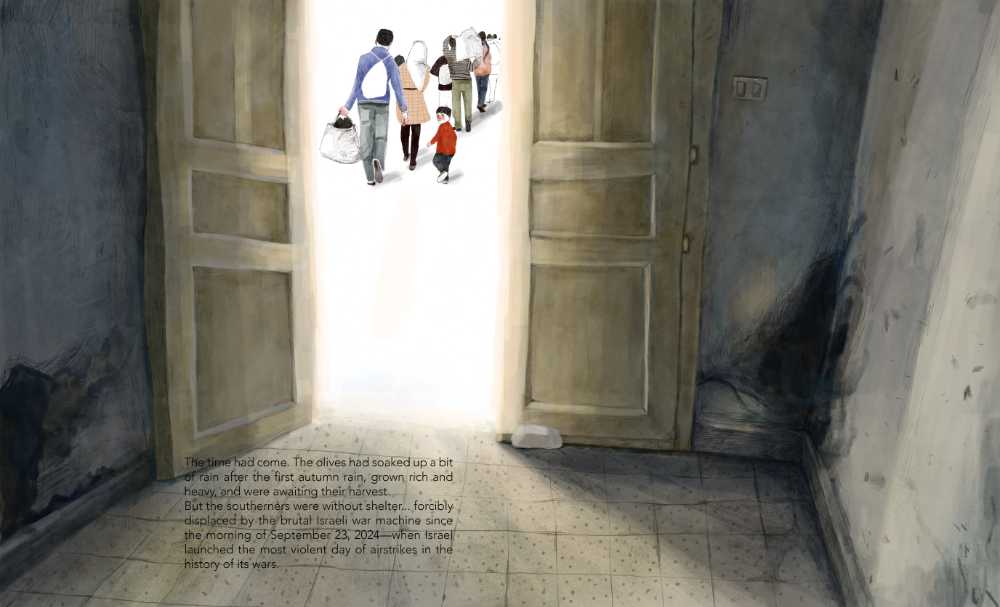
Aya Debes explores displacement’s impact on tradition in her illustrated book Kammouneh. Named after the cumin-spiced Lebanese dish, the book blends the themes of identity preservation, resilience, and culinary heritage during times of war. Debes will bring the book to life by preparing the dish live for the audience.
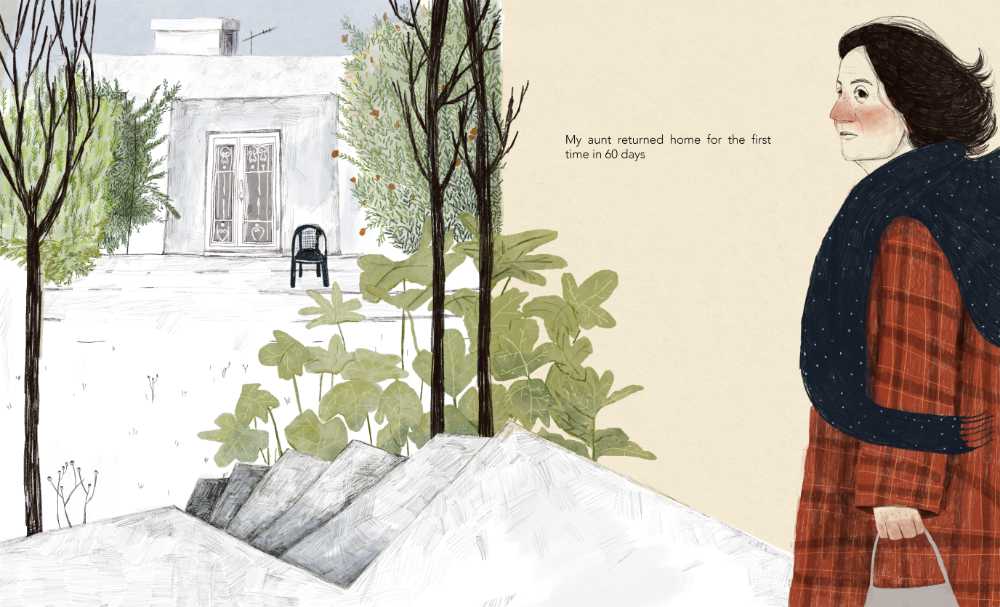
Soufiane Hennani’s Badad is a sound installation journey to the heart of Morocco, which accentuates the struggles, hopes, and resistances that shape human relationships in a country marked by its social and cultural polarizations. In this work of sound art, love is transformed into a site of expression and protest.
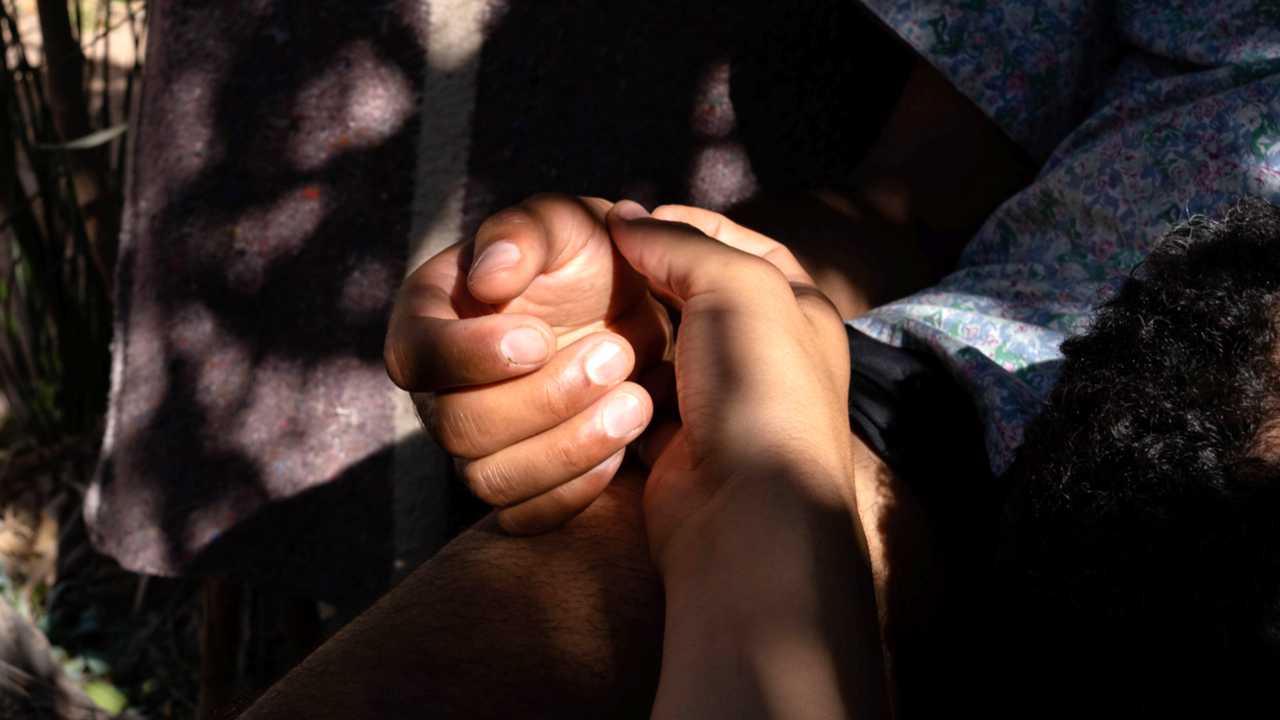
Tahin Demiral’s France-based documentary Love· Love· Freedom tells the stories of queers in exile as they cross real and metaphorical borders, confronting systems that seek to reduce their identities to numbers and documents.
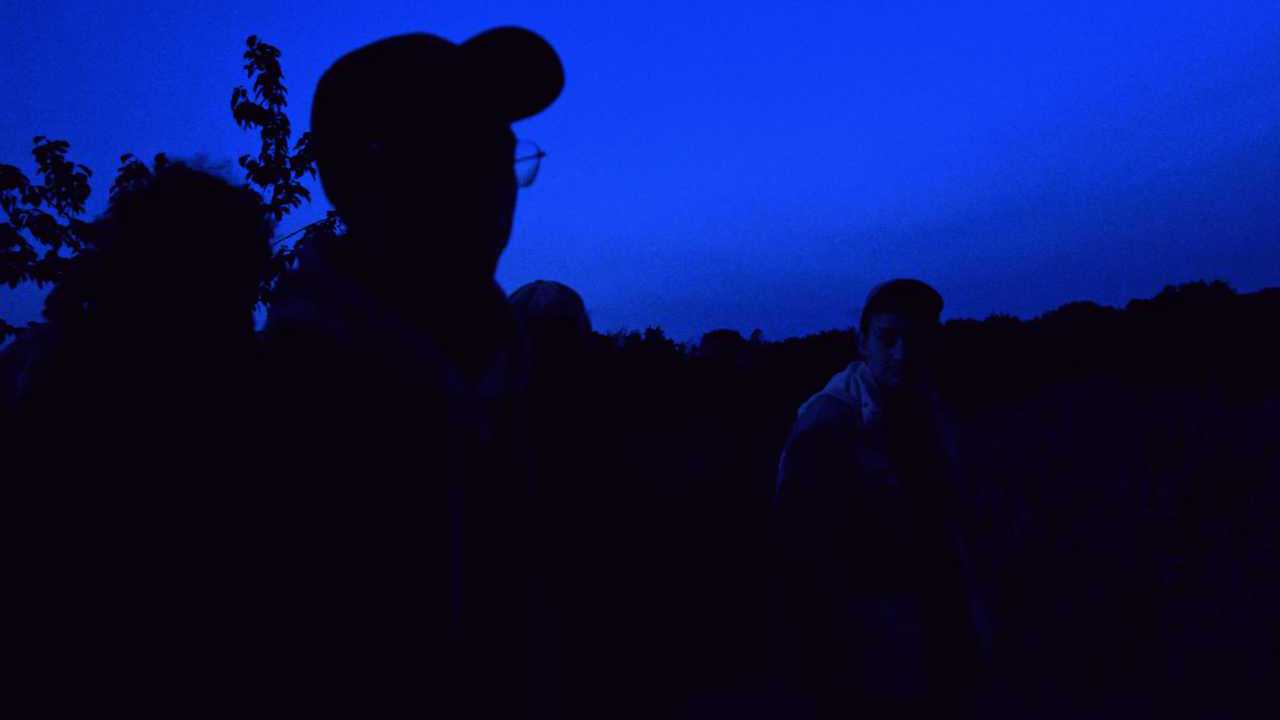
Tae’thir aspires to build a community of artists and creatives across the Mediterranean to foster dialogue on human rights issues. Centering young artists and digital content creators (ages 21–35) from the Mediterranean region with an emphasis on countries in the south, it sponsors a participatory training program that encourages engagement with issues of public concern related to patriarchy, censorship and critique from a cultural and creative perspective. It supports the production and dissemination of artistic and digital works that focus on the interactions between cultural, social, economic, and political challenges and artistic and digital content, while highlighting the opportunities these interactions offer.
Participants are selected through a call for applications, ensuring an open and competitive process where young artists and content creators are invited to submit their proposals in response to the project’s themes. The first cycle of the project was launched in February 2024 with the theme ‘How Do Humans Live?’
as an open question to explore the complexity of the human condition through the lens of human rights. The second cycle launched in March 2025, with the theme ‘Resisting Defeatism,’ which invited participants to explore forms of dedication, imagination, and creation that counter hopelessness and futility in the face of systemic injustice, conflict, and marginalization. To date, the project has brought together forty-four participants from fourteen countries (Algeria, Egypt, France, Greece, Italy, Jordan, Lebanon, Libya, Malta, Morocco, Palestine, Syria, Tunisia, Turkey) and is scheduled to run until August 2026, with financial support from the The Agence Française de Développement, the Interministerial Delegation for the Mediterranean – Ministry for Europe and Foreign Affairs – and the Fondation de France.
Financed by
Share this Post